

Pairing Perfume and Body Mist Without Overdoing the Scent
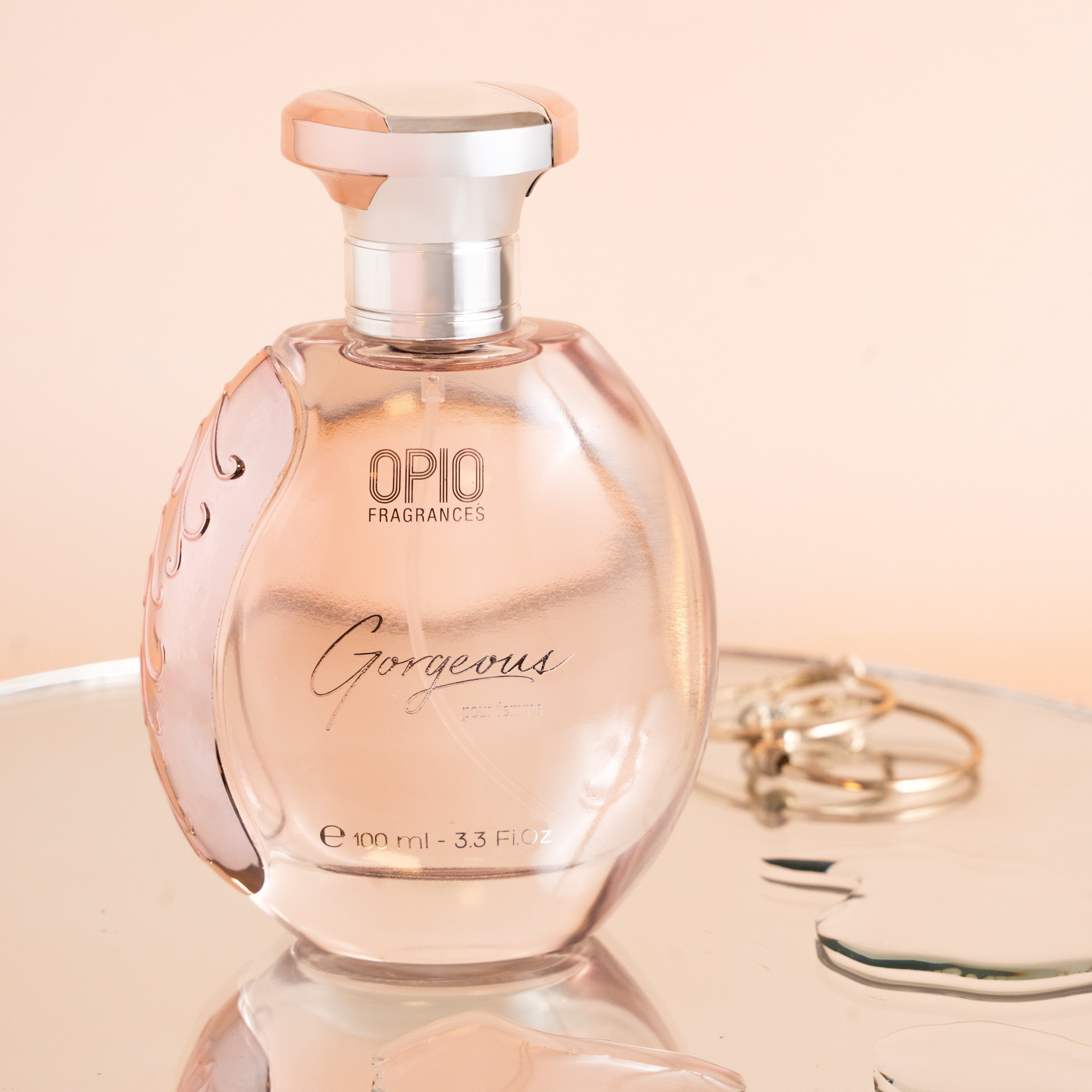
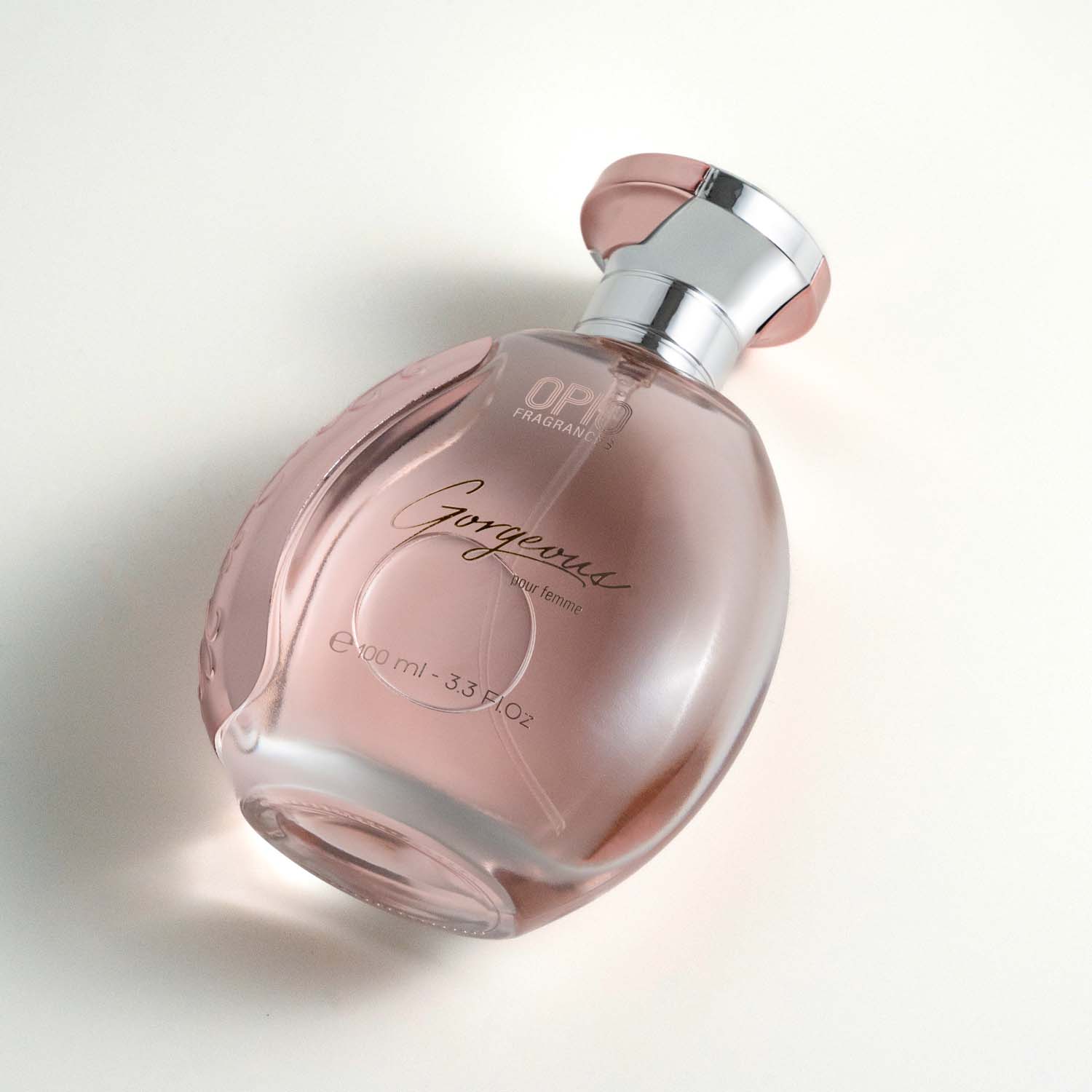
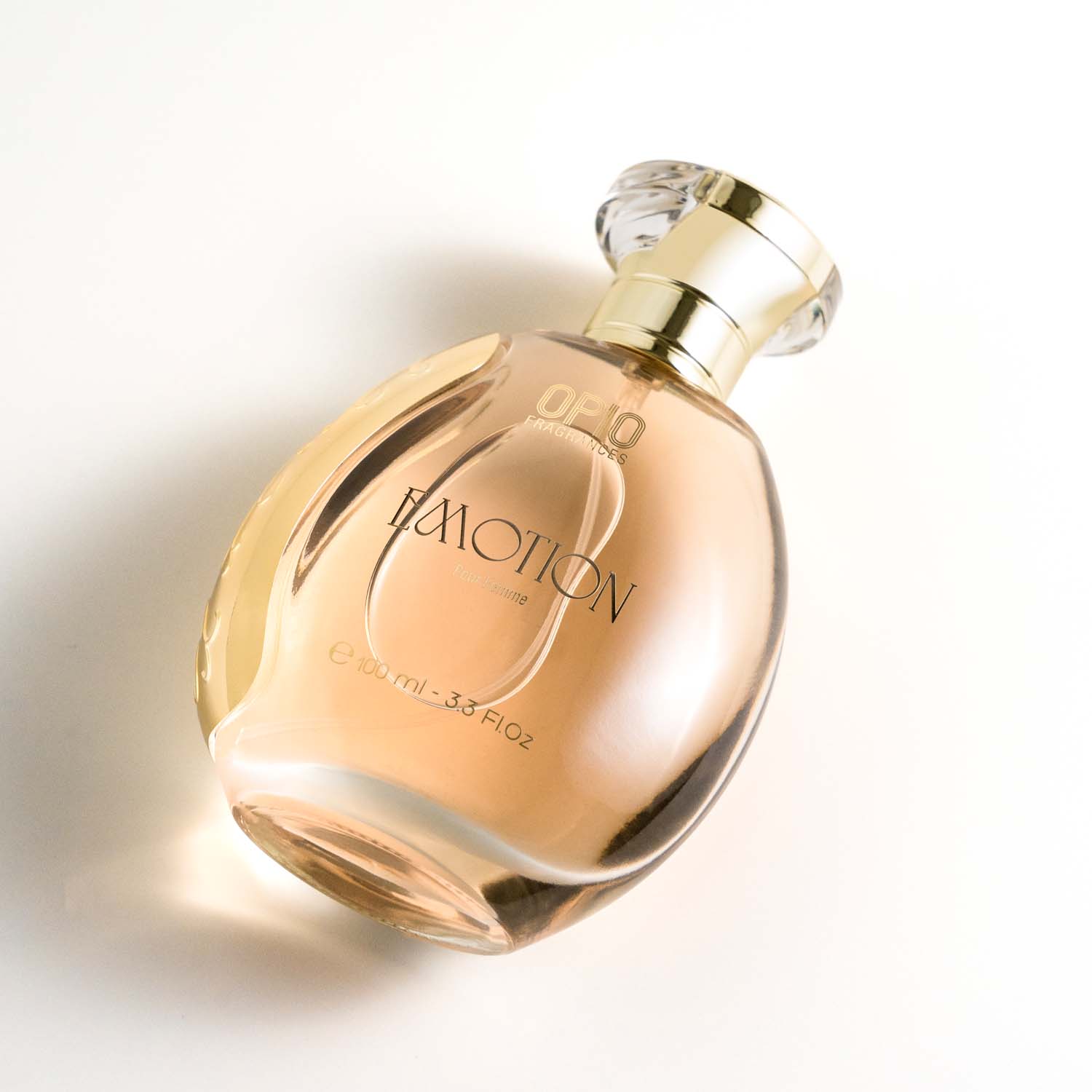
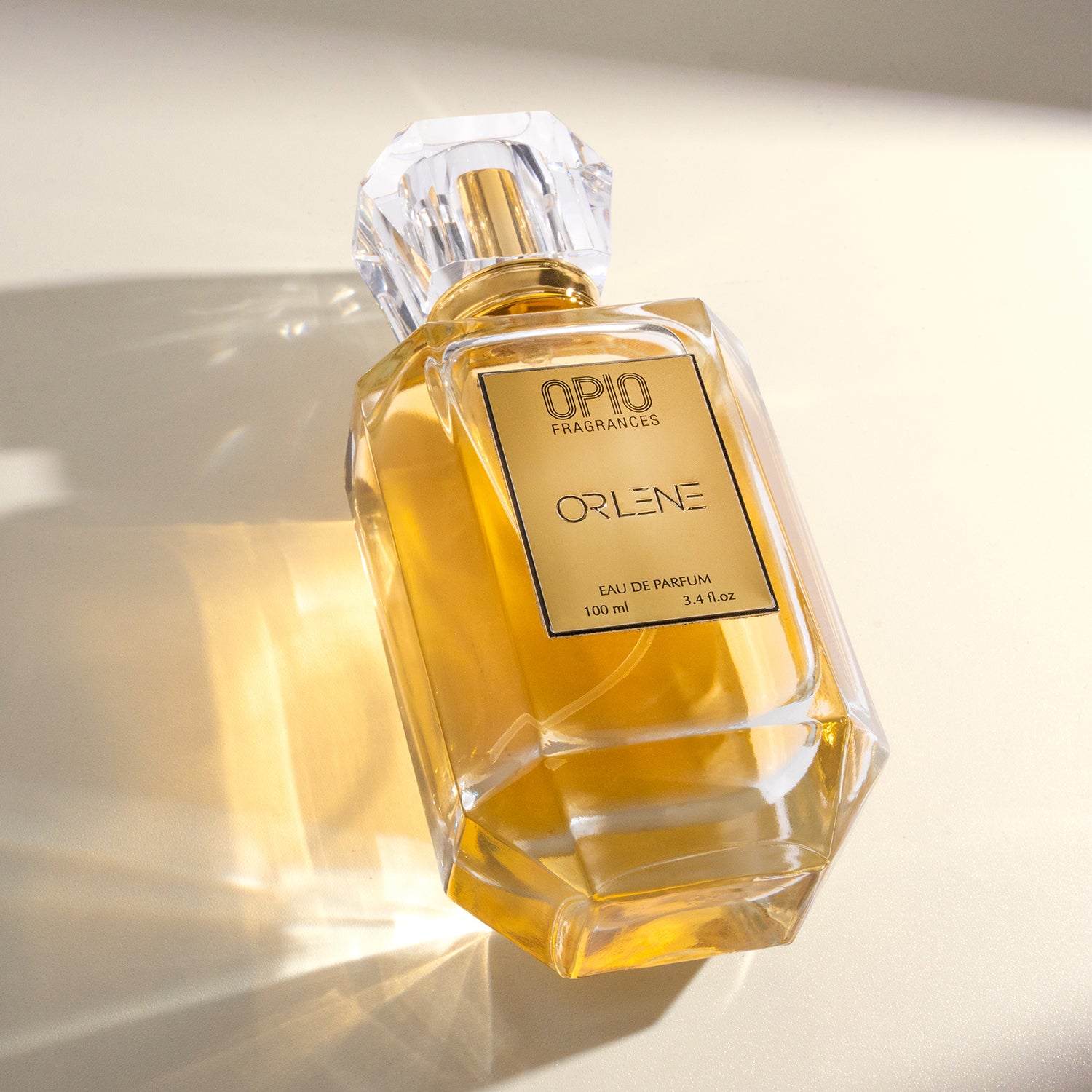
You can layer perfume and body mist by wearing two compatible fragrances together, starting with small amounts and checking how the combination develops. The aim is a scent you enjoy, not a louder cloud or a guaranteed extra number of lasting hours. OPIO Fragrances offers perfume and mist profiles that can help you explore the idea. This guide explains a simple method for Pakistani routines, with suggested pairings clearly separated from tested performance claims.
Table of contents

What perfume layering actually means
Layering means combining the impressions of two or more scented products while wearing them. It can involve a perfume and mist, two perfumes, or fragrance alongside scented body care. Beginners usually learn more by trying two products than by stacking everything in a routine at once.
It does not mean pouring products together in one bottle. Mixing liquids can alter the formulation and create a combination the original labels do not describe. Keep the products in their own containers and apply them only according to their directions.
If you are still choosing between formats, read the difference between body mist and perfume. Layering is optional. A perfume you enjoy by itself does not need a mist to become a complete fragrance.
A five-step method for beginners
Step 1: learn each fragrance on its own
Wear both products separately before combining them. Notice the opening, settled scent and how much presence each has. Without that baseline, you cannot tell whether a combination adds something enjoyable or simply hides the part you liked in the first place.
Choose one product to be the main fragrance and the other to provide a supporting impression. A fresh mist might add brightness around a warmer perfume, while two similar profiles might keep the character more familiar. Neither arrangement guarantees a better result.
Step 2: look for one shared scent direction
Start with a common cue such as citrus, a floral family, woods or creamy sweetness. You are not matching every note. A shared direction simply makes the first experiment easier to understand than combining two very complex fragrances at random.
Review the note lists rather than assuming two products with the same colour packaging are compatible. Names and bottle designs do not explain how the fragrance develops. Even matching names can appear in different product formats with different formulas.
Step 3: test a restrained combination
Begin at home or somewhere you can assess the result without immediately entering a crowded space. Use less of each product than you would normally use alone. Let the first application settle before deciding whether the second adds something worthwhile.
There is no universal spray ratio. Atomisers vary, and one spray of a perfume may have a very different presence from one spray of a mist. Adjust through small experiments instead of treating a social-media percentage rule as a formulation recipe.
Step 4: assess the settled scent
Do not judge only the moment immediately after application. Revisit the combination later and ask whether its sweetness, sharpness or overall presence still feels comfortable. You may like the opening and dislike the dry-down, or discover that the second product makes little useful difference.
Keep a short record: what you combined, how much you used, where you applied it and what you enjoyed. Change one thing on the next trial. If you change both products, amount and placement at once, it becomes difficult to learn what improved the result.
Step 5: wear it in a normal setting
After a successful home trial, try the combination during your usual routine. A commute followed by an enclosed office is different from an outdoor gathering. Start particularly lightly around colleagues, classmates or passengers who cannot easily move away from the scent.
The successful combination is one that suits the setting as well as your own preference. More noticeable is not always more appropriate. Keep a single-product version available for days when a layered fragrance feels unnecessary.
OPIO pairing ideas to explore
These are suggestions based on published scent notes. They have not been tested as combinations, and they are not promises of extra longevity, identical dry-downs or increased projection. Try the products individually first.
A coffee, floral and vanilla direction
Crimson EDP for Women lists almond, coffee, white florals, vanilla and praline among its notes. It is a relevant main-fragrance candidate for someone who already enjoys a warm floral gourmand profile.
Crimson 150ml Body Mist for Women lists a closely related scent direction. A small supporting application is an experiment in keeping a familiar profile, rather than introducing a sharply different family. You may prefer either format alone; matching notes do not create a need to use both.
Citrus and aromatic freshness
Eternal EDP for Men lists bergamot, lemon and green notes, followed by florals and white musk. Its note profile offers one starting point for someone exploring a citrus-led fragrance.
Higher Dezire Body Mist for Men lists lemon, eucalyptus and orange alongside lavender, anise, geranium, musk and woods. The citrus and aromatic overlap makes it a pairing candidate to test lightly. Eucalyptus and anise also introduce a different character, so compatibility should be judged by wearing it rather than assumed.
Explore the categories one at a time
If a sweet combination interests you, compare the note profiles in the body mists for women collection before adding another product. Decide what impression you want the supporting mist to contribute.
For fresher aromatic experiments, the body mists for men collection provides a separate place to compare options. The category label is a shopping aid; anyone can experiment with a scent they enjoy.
Does layering make perfume last longer?
It can change the overall fragrance experience, but a longer-lasting result is not guaranteed. If one product remains noticeable after the other has faded, you may still detect fragrance without the original combination remaining intact. That is different from proving the perfume itself lasted longer.
Reapplying a mist later also introduces fresh fragrance. It may renew what you notice, but it does not show that the morning perfume application gained extra hours. When comparing routines, record reapplication so the results remain meaningful.
Avoid treating lotion, oil or a shared base note as a universal “lock” for perfume. If you use body care, follow its directions and let it settle before applying fragrance where permitted. Do not promise a fixed performance increase from a combination that has not been measured.
Common layering mistakes
Using too many scented products at once
A strong body wash, scented lotion, deodorant, mist and perfume can create an impression you did not plan. Begin with fewer variables. If the aim is to learn a pairing, keep the surrounding routine simple enough that you can recognise it.
Trying to fix a disliked perfume by adding more scent
If you dislike the core fragrance, another product may only make the mixture more complicated. Set it aside and test a profile you prefer. Layering is a creative option, not a requirement to rescue every bottle.
Assuming fragrance is suitable everywhere
Do not spray a body mist into hair or onto delicate clothing unless its directions allow it. Check fabric care guidance and test cautiously where appropriate. For clothing concerns, read whether perfumes can leave marks.
Questions about layering perfume and body mist
Should body mist or perfume go first?
There is no universal order for every formula. For a controlled trial, apply a small amount of your chosen main fragrance, let it settle and assess whether the supporting product improves it. Repeat with a different order only if you want to compare that variable.
Can I layer different brands?
Yes, wearing different brands together is possible. The important considerations are the scent profiles, product directions and the result you enjoy. Shared branding alone does not guarantee compatibility.
Do the fragrances need identical notes?
No. One shared scent direction can make a beginner experiment easier, while contrasting profiles may also work for your taste. Note lists are clues rather than an exact prediction of the finished combination.
Is layering suitable for the office?
It can be if the result remains restrained and appropriate for the space. Test first, use small amounts and respect any workplace fragrance policy. A single fragrance may be the more comfortable choice in a shared room.
Keep the experiment simple
Start with two fragrances you already enjoy, test lightly and pay attention to the settled combination. Explore the relevant perfume and mist profiles at OPIO Fragrances when you know what you want to add. The goal is a personal fragrance choice you like wearing, with or without layering.